What Is a Q Solar Panel (and How Does It Work)?
A Q solar panel refers to photovoltaic technology developed and manufactured by Q CELLS (formerly Hanwha Q CELLS), one of the world’s leading solar panel producers based in South Korea. The “Q” represents the company’s brand identity, not a distinct solar technology category. Q CELLS panels are recognized for their advanced cell designs, high efficiency ratings, and comprehensive warranty packages that have made them a popular choice in both residential and commercial installations across more than 100 countries.
Understanding Q solar panels matters now more than ever. As renewable energy becomes central to reducing our climate impact homeowners and businesses need reliable information to make informed purchasing decisions. The solar market has grown increasingly competitive, with dozens of manufacturers offering similar-sounding products at vastly different price points and performance levels.
This article cuts through the marketing noise to explain how Q CELLS technology actually works, from their proprietary Q.ANTUM cell architecture to the anti-reflective coatings that boost energy capture. You’ll discover the different panel series Q CELLS offers for 2026, each designed for specific applications and budgets. We examine real-world performance data from residential installations, commercial projects, and utility-scale deployments to show what these panels deliver beyond the spec sheet.
Whether you’re evaluating quotes from solar installers or comparing brands for an upcoming project, you’ll gain practical insights into efficiency ratings, degradation rates, cost per watt, and warranty terms. The goal is simple: equip you with the knowledge to determine whether Q solar panels align with your energy goals and budget constraints.
What Q Solar Panels Are: A Clear Definition
When you encounter “Q solar panel” in the market or online discussions, you’re actually looking at three distinct possibilities that often create confusion. The term most commonly refers to Q.CELLS, a German-founded manufacturer now under South Korean ownership that has become one of the world’s top five solar panel producers. Their panels carry the Q brand across residential and commercial lines, making “Q solar panel” shorthand for Q.CELLS products in many contexts.
However, Q can also point to specific technologies rather than just a brand name. Q.ANTUM technology represents Q.CELLS’ proprietary cell design that improves efficiency through advanced passivation techniques. Meanwhile, Q-peak describes their premium panel series marketed toward homeowners seeking maximum output from limited roof space. Less commonly, some technical discussions use “Q” as shorthand for quantum efficiency, a measurement of how effectively a solar cell converts photons at different wavelengths into electrical current.
- Q.CELLS
- A major global solar panel manufacturer known for high-efficiency products and the Q.ANTUM cell technology platform.
- Q.ANTUM
- Q.CELLS’ proprietary solar cell technology that uses advanced passivation layers to reduce energy loss and boost conversion efficiency.
- Q-peak
- Q.CELLS’ premium residential panel series designed for maximum power output in space-constrained installations.
- Quantum Efficiency
- A technical metric measuring what percentage of photons at each wavelength a solar cell successfully converts to electricity, sometimes abbreviated as Q in scientific contexts.
For prospective buyers, the practical takeaway is straightforward: when retailers or installers mention Q solar panels, they almost always mean Q.CELLS brand products rather than quantum dot cells or abstract efficiency metrics. The company’s panels sit in the premium-midrange segment, competing directly with manufacturers like LG, REC, and Panasonic. Their widespread availability and established track record make Q.CELLS a frequent recommendation for residential projects where proven performance matters more than cutting-edge experimental technologies.
How Q Solar Panel Technology Works
The Photovoltaic Conversion Process
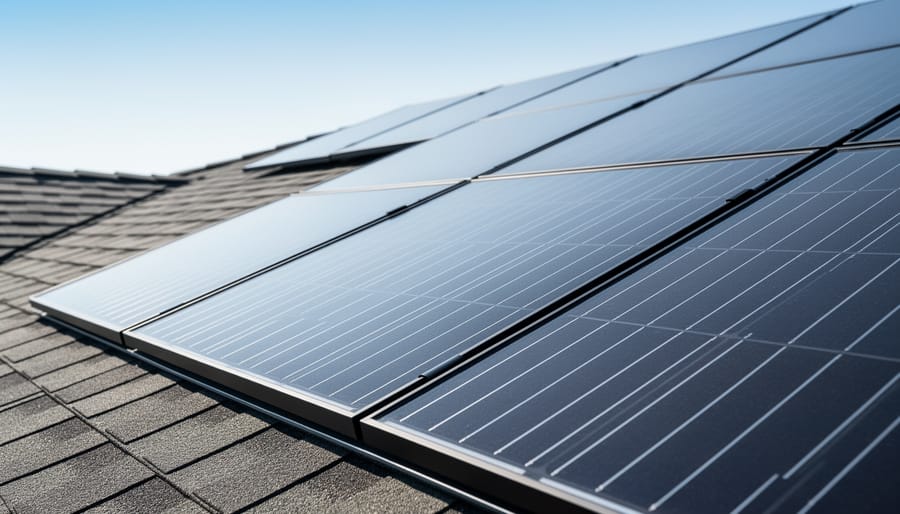
At its core, Q solar panel technology relies on the same fundamental principle as all photovoltaic systems: converting photons from sunlight into electrical current. When sunlight strikes a Q panel, it penetrates through protective glass and anti-reflective coating to reach silicon cells beneath. Each photon carries energy that, upon hitting the silicon, dislodges electrons from their atomic bonds. This creates free-moving electrons and corresponding “holes” where electrons once sat.
The silicon in Q panels is specially treated, one layer doped with phosphorus (creating excess electrons), another with boron (creating electron deficits). This creates an electric field at the junction between layers. When sunlight liberates electrons, this field pushes them in one direction through the cell, generating direct current electricity that flows through metal contacts into wiring.
What sets Q technology apart is precision manufacturing that minimizes energy losses at each conversion stage. Q.CELLS panels incorporate passivated emitter rear contact (PERC) architecture, which adds a reflective layer on the cell’s backside. Photons that pass through the silicon without converting get bounced back for a second chance at generating current, boosting efficiency by 1-2 percentage points over standard designs.
The multi-busbar design in Q panels, typically five or more thin metal ribbons collecting current, reduces resistance losses and improves durability. Combined with rigorous quality control that limits micro-cracks and manufacturing defects, Q panels achieve solar degradation of 0.5% yearly or less, maintaining higher output across their 25-year warranty period.
Efficiency-Enhancing Features
Q solar panels incorporate several key innovations that push their efficiency beyond standard photovoltaic cells. The most significant is passivated emitter rear contact (PERC) technology, which adds a reflective layer to the back of each solar cell. This layer captures light that would otherwise pass through and waste energy, bouncing it back through the silicon for a second chance at conversion. PERC cells typically boost efficiency by 1-2 percentage points, a meaningful gain that translates to more power from the same surface area.
Anti-reflective coating presents another critical advancement. Standard silicon has a shiny surface that reflects roughly 30% of incoming sunlight straight back into the atmosphere. Q panels apply a thin coating, usually silicon nitride, that reduces this reflection to under 5%. The coating works through optical interference, allowing more photons to enter the cell rather than bouncing away unused.
Thermal management addresses a persistent challenge in solar technology: heat degrades performance. As panel temperature rises, electrical resistance increases and voltage output drops. Q panels combat this through improved cell design that dissipates heat more effectively. Some configurations use advanced backsheet materials or create air gaps beneath cells to enhance cooling. For every degree Celsius above 25°C, a typical solar panel loses about 0.5% efficiency. Better thermal management keeps panels closer to their optimal operating temperature, particularly important during peak sunlight hours when heat buildup is greatest.
These features work together, not in isolation, creating compound efficiency gains that make Q panels competitive in the premium solar market.
Different Types and Configurations of Q Solar Panels
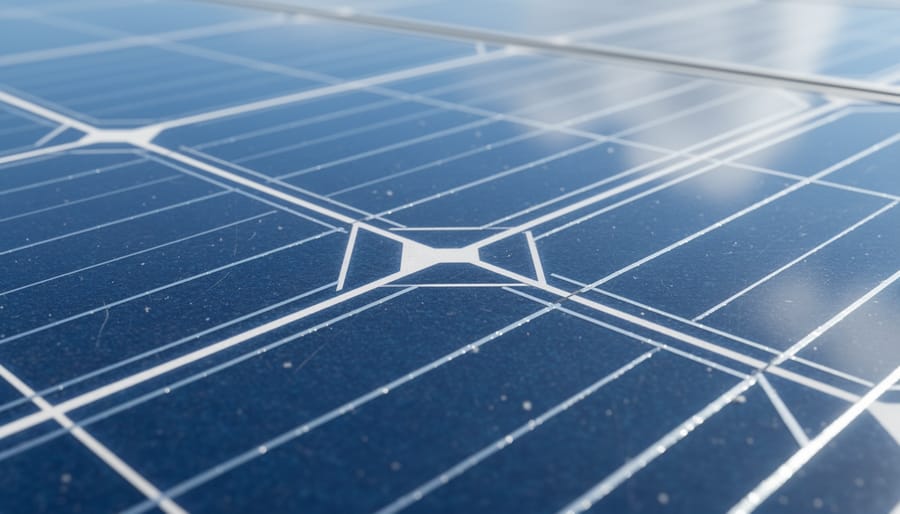
Q solar panels come in several distinct configurations, each designed for specific applications and energy needs. Understanding these varieties helps you match the right technology to your particular situation.
The most fundamental distinction lies in cell structure. Monocrystalline Q panels use single-crystal silicon cells, recognizable by their uniform dark appearance and rounded cell corners. These achieve the highest efficiency ratings in the Q.CELLS lineup, typically 19-22%, making them ideal when roof space is limited or maximum output matters. Polycrystalline Q panels, constructed from multiple silicon crystals, feature a characteristic blue, speckled appearance. While their efficiency runs slightly lower at 16-19%, they offer a more accessible price point for buyers prioritizing upfront cost over space constraints.
Scale and application create another important dividing line. Residential Q panel systems usually deploy 60-cell or 72-cell modules, each measuring approximately 65 by 39 inches. These are optimized for rooftop installations where aesthetics, weight distribution, and standard racking systems matter. Commercial and industrial Q panels scale up to 144-cell configurations, sacrificing ease of handling for greater power output per module, a worthwhile trade when professional crews install dozens or hundreds of panels on warehouse roofs or solar farms.
Integration approach varies significantly across Q’s product range. Standalone Q panels function as discrete units connected through traditional racking and wiring systems, offering flexibility in system design and straightforward replacement if individual panels fail. Building-integrated photovoltaic (BIPV) options from Q.CELLS, by contrast, serve dual purposes, they’re roofing materials and energy generators simultaneously. These integrated solutions appeal to new construction projects or complete roof replacements where appearance and weatherproofing matter as much as energy production.
Specialized Q panel types address niche requirements. Bifacial Q panels capture sunlight from both front and back surfaces, boosting output by 5-20% in installations over reflective surfaces like white roofs or ground-mounted arrays above light-colored gravel. Half-cut cell technology in Q panels reduces resistive losses and improves shade tolerance by dividing standard cells into smaller sections, maintaining better performance when part of a panel falls into shadow during morning or evening hours.
Where Q Solar Panels Are Used Today
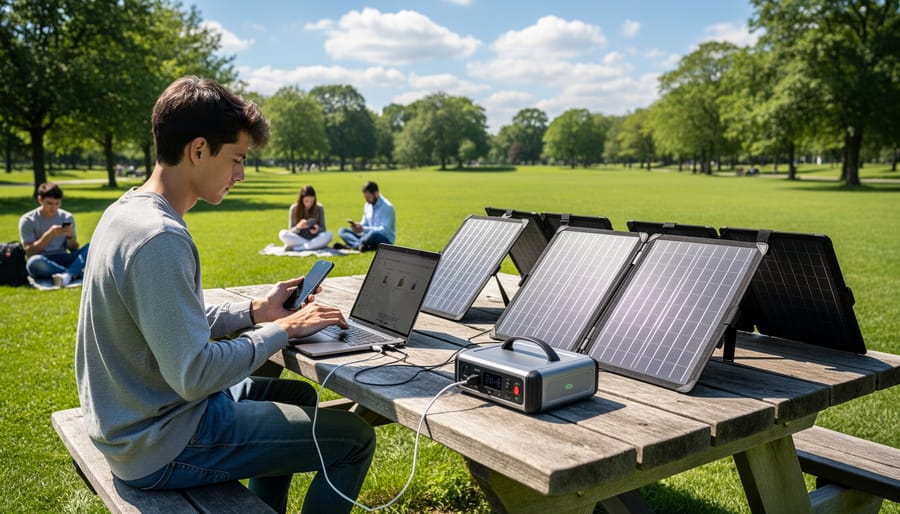
Q solar panels have moved well beyond experimental technology into widespread commercial and consumer adoption across multiple sectors. Their high efficiency and durability make them particularly attractive for installations where roof space is limited or where maximum power output per square foot matters most.
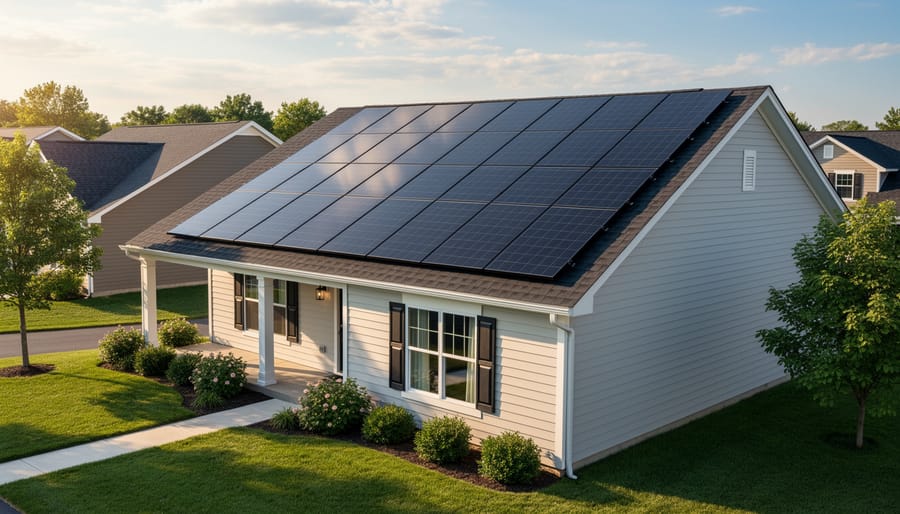
Residential rooftop installations represent the largest market segment for Q solar panels. Homeowners in urban and suburban areas choose these panels when they want premium performance without covering every available surface. A typical residential system using Q.CELLS panels might generate 6-8 kilowatts from 15-20 panels, enough to offset 70-90% of a household’s electricity consumption. The panels’ low-light performance also makes them effective in regions with frequent cloud cover or shorter winter days.
The portable and small-scale solar device market has embraced Q technology for applications requiring compact, reliable power generation. Manufacturers integrate Q solar cells into camping gear, battery banks, and emergency charging stations. For very small electronics, consumers often pair Q panels with 9 volt solar panels to create versatile power solutions for devices like weather stations, security cameras, and communication equipment.
Off-grid and remote installations benefit significantly from Q panels’ proven reliability and extended 25-year warranties. These applications include:
- Home energy systems in rural areas without grid access
- Solar generators for construction sites and temporary facilities
- RV installations for mobile living and recreational travel
- Agricultural operations powering irrigation pumps and monitoring equipment
- Emergency backup power systems for critical infrastructure
Commercial and industrial facilities represent a growing segment, with Q panels installed on warehouses, manufacturing plants, and retail centers. These projects capitalize on the technology’s efficiency to maximize return on investment while meeting corporate sustainability targets. Educational institutions have also adopted Q solar arrays for both practical energy generation and as teaching tools for renewable energy programs.
Performance and Efficiency: What to Expect
Q solar panels from Q.CELLS consistently deliver efficiency ratings between 19.5% and 22.3%, depending on the specific model and technology used. The flagship Q.PEAK DUO series typically achieves efficiencies around 20.4%, while more advanced monocrystalline Q.PEAK DUO BLK-G10+ panels can reach 21.6% under standard test conditions. These numbers place Q panels firmly in the high-performance category, competing directly with premium manufacturers like SunPower and LG.
What separates theoretical efficiency from real-world performance is how panels behave outside the laboratory. Q panels maintain their rated output better than many competitors in less-than-ideal conditions. Their temperature coefficient of around -0.36% per degree Celsius means they lose slightly less output when temperatures climb above 25°C. On a hot summer day when rooftop temperatures reach 65°C, Q panels will operate at roughly 86% of their rated capacity, compared to 82-84% for standard panels.
Degradation rates tell the long-term story. Q.CELLS guarantees their panels will retain at least 85% of original output after 25 years, which implies an annual degradation rate of roughly 0.5%. Field studies of Q panels installed between 2012 and 2018 show actual degradation averaging 0.45% per year, slightly better than warranted.
A case study from a residential installation in Portland, Oregon, illustrates these metrics in practice. A 7.2 kW Q.PEAK system installed in early 2023 generated 7,380 kWh in its first full year, matching expectations for the region’s solar resource. That translates to 1,025 kWh per installed kW. After accounting for system losses from inverter efficiency and wiring, the panels operated at 98.7% of their projected output. During the cloudiest winter months, the system still produced 62% of its summer peak, demonstrating Q panels’ strong low-light performance. By comparison, cheaper panels on a neighbouring roof underperformed projections by 8%.
Cost Considerations and Market Position
Q solar panels typically fall in the premium pricing tier of the residential solar market. As of 2026, expect to pay between $2.50 and $3.50 per watt for Q.CELLS panels before installation, placing them above budget options but below ultra-premium competitors. For a typical 6-kilowatt residential system, the panel cost alone ranges from $15,000 to $21,000.
This pricing reflects Q.CELLS’ market positioning as a performance-focused brand without the luxury markup of some competitors. The cost-per-watt calculation becomes more favorable when you factor in higher efficiency ratings, which mean fewer panels needed to reach your target output. A 400-watt Q panel may cost more upfront than a 300-watt budget panel, but you’ll need 25% fewer units to achieve the same system capacity.
When comparing Q panels to alternatives, consider total system value rather than just panel price. Q.CELLS offers better warranties than many budget brands (25-year product warranties versus 10-12 years) and lower annual degradation rates, typically 0.5% compared to 0.7-1.0% for economy options. Over a 25-year lifespan, this translates to thousands of kilowatt-hours more electricity production.
For buyers choosing between Q panels and other solar powered devices the decision often hinges on space constraints and long-term goals. Q panels make economic sense when roof space is limited or when you’re offsetting high electricity rates. They’re also worth considering if you’re motivated by reducing climate effects and want maximum clean energy generation from available space.
Budget-conscious buyers in areas with ample roof space and lower electricity costs may find better value in mid-tier alternatives, accepting slightly lower efficiency in exchange for lower upfront investment.
Common Questions About Q Solar Panels
Prospective buyers considering Q solar panels typically want clear answers before making an investment in renewable energy technology. Understanding compatibility, maintenance requirements, and real-world performance helps consumers make informed decisions aligned with their specific needs and circumstances.
How long do Q solar panels last, and what warranty coverage should I expect?
Q solar panels typically carry a 25-year performance warranty guaranteeing 80-85% of original output, with product warranties ranging from 10-15 years covering manufacturing defects. Most Q.CELLS panels maintain over 90% efficiency after 10 years of operation under normal conditions.
Are Q solar panels compatible with battery storage systems?
Yes, Q solar panels work with most major battery storage systems including Tesla Powerwall, LG Chem, and Enphase batteries. The key compatibility factor is ensuring your inverter supports both the panel output and battery charging specifications.
What installation requirements do Q solar panels have?
Q panels require structurally sound mounting surfaces capable of supporting 2.5-3 pounds per square foot, proper electrical infrastructure rated for the system voltage, and adequate roof pitch (typically 15-40 degrees) for optimal performance. Professional assessment of your site’s structural capacity and electrical service is essential before installation.
Do Q solar panels perform well in cloudy or cold climates?
Q panels actually perform efficiently in cooler temperatures, as excessive heat reduces solar cell output. While cloudy conditions decrease production compared to direct sunlight, Q panels’ anti-reflective coatings and high-efficiency cells capture diffuse light effectively, making them suitable for varied climate zones.
For comprehensive guidance on evaluating solar technology options for your specific situation, refer to our buying guide which walks through key decision factors. Maintenance needs for Q panels remain minimal, occasional cleaning to remove dust and debris, annual electrical connection inspections, and monitoring output through inverter software typically suffice for long-term performance.
Q solar panels represent a meaningful step forward in making solar energy more accessible and efficient for everyday consumers. Whether you’re considering Q.CELLS branded modules for a residential installation or exploring devices powered by Q-peak technology, you’re tapping into innovations that deliver measurably higher conversion rates and longer-term reliability than older photovoltaic designs.
The value here extends beyond individual energy bills. When thousands of homeowners and businesses choose high-efficiency solar solutions, the cumulative impact accelerates grid decarbonization and demonstrates market demand for clean technology. Each Q panel installation, from a 5kW rooftop array to a portable solar charger, contributes to the scaling effects that drive manufacturing improvements and cost reductions across the industry.
Your decision should balance upfront investment against decades of performance. Q panels typically cost 10-15% more than standard alternatives, but their superior efficiency means fewer panels for the same output and better space utilization. For properties with limited roof area or high electricity rates, that premium often pays for itself within the warranty period.
As solar technology continues evolving, informed consumers drive the transition toward renewable energy. Understanding what distinguishes Q panels from conventional options empowers you to evaluate whether their specific advantages align with your energy needs, budget constraints, and environmental commitments. The choice you make today shapes both your household’s energy future and the broader momentum toward sustainable power systems.