
G77

G77+China: least developed countries vs. major developing economies

Posted by Copenhagen Team on December 17, 2009
Adaptation, COP 15-Copenhagen / 1 Comment

Author: Maša Kovič

(Image by: Bigger Picture)

(Image by: Bigger Picture)

The G77+China group of states is the largest negotiating bloc at the COP15 in Copenhagen. It currently consists of 130 developing countries and was established in 1964 to promote the collective economic interests of the developing countries and increase their negotiating powers within the United Nations. The G77 countries and China as a group, call for a legally binding agreement, stabilization of temperature increases at 2°C, urgent and predictable financial resources for adaptation from the developed countries, and US joining the Kyoto Protocol. While the G77+China is the largest group of countries, it is also the most diverse group. This diversity has been the reason for several twists and misunderstandings within the group at the Copenhagen conference. The issue of financing for adaptation is in the center of these “disputes”.

The fact that all the countries of the G77 are developing countries nowadays seems to be the only common element of this group. Namely, it consists of the leased developed states, small island states, African states, countries members of the OPEC group and major developing economies. Their interests and especially needs for financial resources for adaptation vary immensely, with the OPEC countries even questioning the causes of global warming. During the past week several events have affected these interests and created a divide between the least developed states and the major developing economies of the G77+China group.

The first event was the leakage of the “Danish text”. The “Danish text” establishes a special category of the most vulnerable countries, which would receive the majority of financial assistance for adaptation, and places emission reduction targets on developing states, especially the major developing economies. The response to this text was not a strong position of the G77+China, but the filing of three separate proposals of draft texts. The first proposal was by the major developing economies (Brazil, China, India and South Africa - the BASIC group). The second and third proposal was from the Alliance of Small Island States (AOSIS) and from the African Group, claiming that the proposal by major developing economies inadequately addresses the needs of the least developed countries. According to their proposal, the least developed states have “special needs and priorities,” and their “special position has been agreed in the UNFCCC.” The proposal by the emerging developing economies however, denies any differentiation between the developing countries.  Ambassador Lumumba Di-Aping, at the press conference tried to deny a split between the G77+China, focusing his comments on the lack of responsibility of the developed countries for their climate debt. However, the fact that several separate proposals were created speaks for itself: the G77+China have a difficulty bringing their interests together.

A further punch to the unity of the G77+China was the press conference of the Chief US negotiator Todd Stern. Stern committed that the US will provide a fair share of financial resources for adaptation actions. However, he emphasised that the US public funds for adaptation cannot be given to major emerging economies, such as China. These resources should be available only to the leased developed countries. This position was supported by the EU leaders. They committed to USD 3.6 billion a year up to 2012 for adaptation for the most vulnerable countries, especially on the African continent. While the Chinese lead negotiator Su Wei refused to comment the US position, Di-Aping found US as “lacking common sense” and EU leaders “acting as if they were climate sceptics.”

The need of the least developed countries for the major share of the financial resources for adaptation was confirmed on Saturday by the Bangladesh State Minister for Environment and Forest Hasan Mahmud. Mahmud called for the allocation of the financial resources for adaptation according to the percentage of the population affected by climate change in the developing countries, adding that 15% of them live in Bangladesh. This reflects the belief of several least developing countries within the G77+China group, that their more developed co-members should do more in the fight against climate change.

The denial of the separate category of least developed states by the major developing economies puts the unity of the G77+China in question. It also puts the adoption of the Copenhagen agreement in question, as the least developing countries are becoming more vocal about their demands. On the other hand the emerging economies are firm with their positions that without key financial resources for adaptation, the major developing economies will not commit to emission targets. Without their commitment to emission targets the developed countries will neither commit to emission reduction, nor to providing financial resources for developing countries for adaptation. The least developed countries are thus caught in the middle of the negotiations that more and more seem to reflect the question of what comes first - the egg or the hen. The outcome of this revolving circle after the first week of negotiations is more likely a failed agreement, which would not bring new financial assistance for the adaptation projects neither for the most vulnerable states, nor for the emerging economies.

The second week of negotiations will be a test of the real unity of the G77+China bloc. Can the developing countries oversee their differences and step together as a solid bloc in negotiations with the developed countries?

Tags: , , , , , ,

Technology (transfer?) – agreement needed at Copenhagen

Posted by Ian Ross on November 05, 2009
Adaptation / No Comments
worldvision.org.uk)

A woman builds a fuel-efficient stove in DRC (credit: worldvision.org.uk)

There was a meeting on climate technology transfer in Delhi a few weeks ago, and the G77+China made their feelings known that an agreement on technology transfer is crucial to a fair global deal.

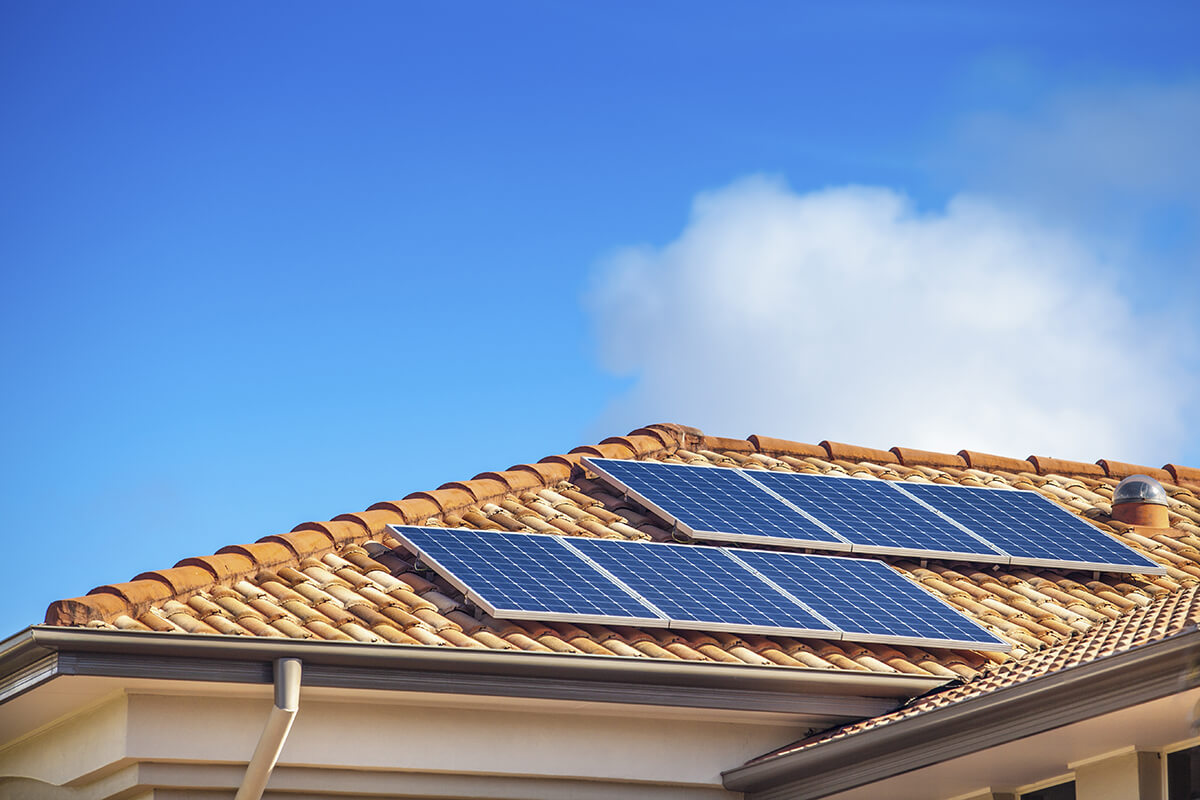
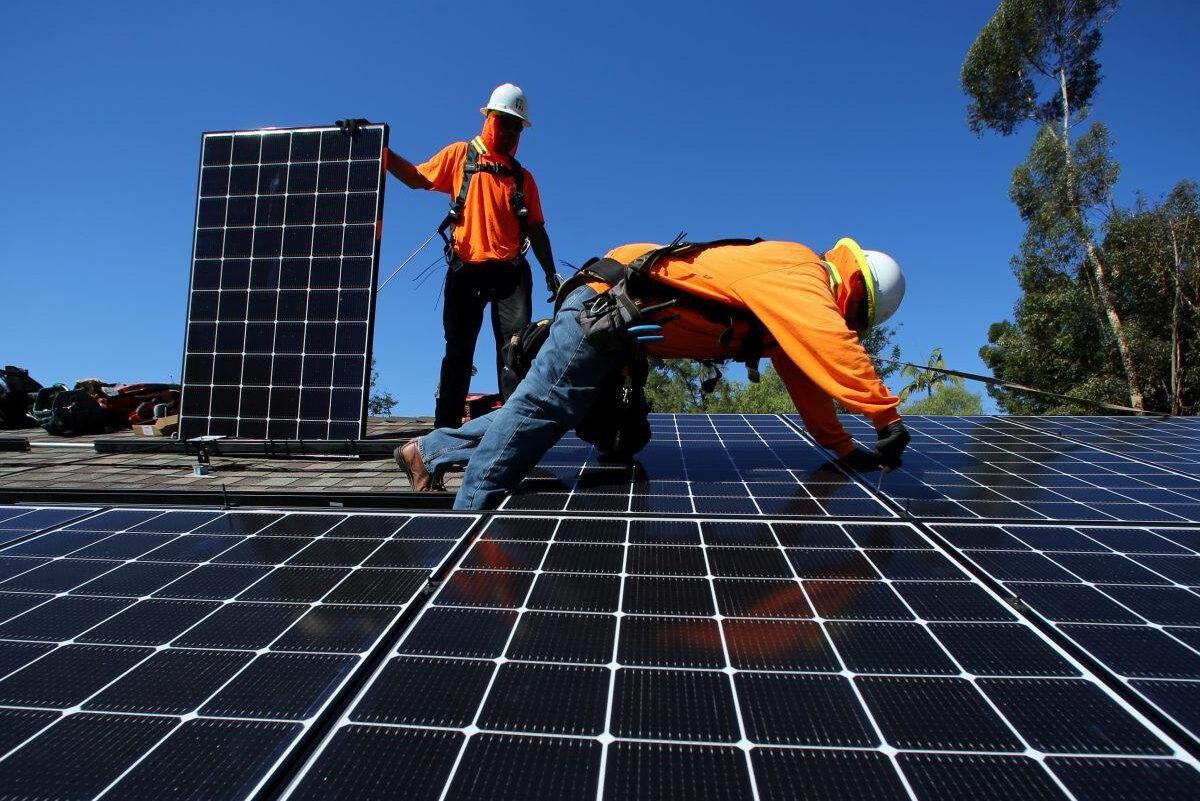
At issue is the fact that rich countries are demanding that poorer countries like India and China reduce their emissions, even while their per capita emissions are far, far lower than theirs. Part of rich countries’ side of the bargain, therefore, has to be to help provide these low-carbon technologies to poor countries. By low-carbon technologies, I’m talking about CCS, fuel-efficient stoves, solar water heating - anything that is a tool in the journey towards low carbon economies across the world.

Whilst India’s emissions are rising fast, and the highest-profile climate disputes have been between the US and India, we should remember that 400 million Indians still live without electricity, some 25% (!) of world’s total. Technology, and sometimes technology transfer, will need to be part of the solution.

It sounds easy, but actually it is quite hard for poor countries to even assess their needs. Foreign technologies do not necessarily fit different contexts (this has been a long and hard lesson learnt in the water supply sector)

NGOs often trumpet the superiority of “indigenous technologies”, and usually rightly so. But they also always face the perennial problem of scaling up, and scaling up fast. “Upward” dissemination of successful technology options is often fragmented. Furthermore, it must be remembered that this isn’t simply the case of funding a few research institutes to come up with gizmos and then the money running out, but also training the next generation of local technicians.

So, perhaps it’s wrong to talk about technology “transfer”. Collaboration is probably a better way to put it, especially since much of the best new “cleantech” is coming out of the global south. India has suggested a network of climate or technology innovation centres in developing countries (the kind of south-south technology collaboration I wrote about here). These centres could identify locally relevant technologies, deploy them faster, and build capacity.

Furthermore, this isn’t only about the poorest countries and relatively simple technologies. Recent research carried out in China, India, Indonesia, Malaysia, and Thailand found that there wasn’t enough R+D going on in the fields of clean coal, biofuels and solar power. This was due to a number of reasons, but particularly due to skills, high capital costs, intellectual property rights, and cost. Copenhagen needs to address the latter, at least to a degree.

In the end, it doesn’t matter where the technology comes from (transferred, collaborated upon, or indigenous) as long as it is appropriate and the price is right!

Tags: , , , , , ,